



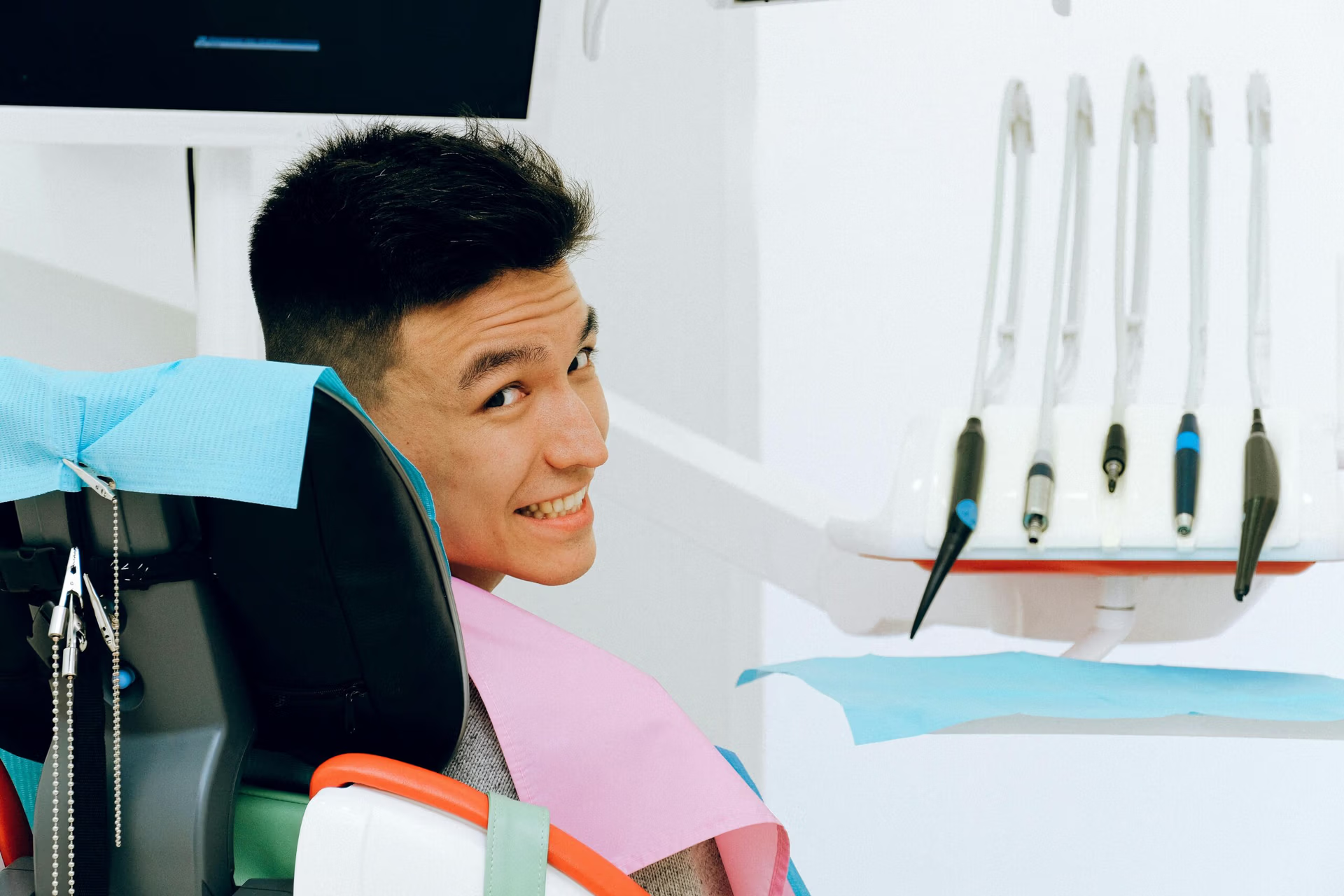
We know the nerves can start days before you sit in the chair—the racing thoughts, the “what ifs,” even trouble sleeping. At our practice, we help anxious patients every day, and with the right plan, you can have a calm, comfortable visit. This guide shows you how to prepare, what to expect during treatment, and which safe sedation options might fit your needs. You’ll also learn how to build confidence after your appointment so each visit feels easier than the last.
Think of this as a menu, not a mandate. Choose the steps that fit your comfort level and personal preferences.
Understanding Dental Anxiety: Common Triggers and What’s Normal
Dental anxiety vs. dental phobia: key differences and why it matters
Dental anxiety is worry or stress about dental visits; dental phobia is an intense, persistent fear that can lead to avoiding care altogether. Knowing where you are on this spectrum helps tailor a plan—some people thrive with simple comfort strategies, while others benefit from sedation or outside support like therapy. Both are valid, and both are manageable.
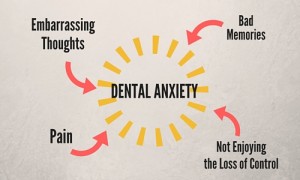
Common triggers (sounds, needles, loss of control, past experiences)
- Sounds and sensations: the whir of a handpiece, vibrations, or water spray.
- Needles or numbing: fear of injections or not being fully numb.
- Loss of control: trouble breathing, gagging, or not being able to talk.
- Past experiences: a difficult childhood visit or insensitive communication.
- Identifying your top 1–3 triggers lets your dental team customize solutions.
The brain-body connection: how anxiety amplifies pain perception
Anxiety primes the body’s “fight or flight” system, making sensations feel more intense. When the nervous system is calmed—through breathing, music, or sedation—patients often report that the exact same procedure feels easier and less painful.
When to seek extra support (phobia therapy, trauma-informed care)
If fear keeps you from routine cleanings, consider brief cognitive behavioral therapy (CBT), EMDR for trauma, or a dentist trained in trauma-informed care. Pairing therapy with gentle, predictable dental visits can be transformative.
Quick self-check: rating your anxiety to guide your plan Rate your dental anxiety from 1–10 right now.
- 1–3: Use simple prep and comfort tools.
- 4–6: Add structured communication and relaxation techniques.
- 7–10: Discuss sedation options and consider outside support.
Before Your Appointment: Proven Techniques to Calm Dental Anxiety
Choose the right time and plan your day (morning slots, no rushing)
Select an appointment time when you feel most calm—many patients prefer mornings before stress builds. Avoid back-to-back commitments so you don’t feel rushed. Set a travel buffer to arrive 10–15 minutes early.
Breathing and grounding exercises you can practice at home (box breathing, 5-4-3-2-1 senses)
Practice these daily for a week before your visit, then use them in the chair:
- Box breathing: Inhale 4 seconds, hold 4, exhale 4, hold 4. Repeat 4–6 cycles.
- 5-4-3-2-1 grounding: Name 5 things you see, 4 you feel, 3 you hear, 2 you smell, 1 you taste.
“Pre-visit” exposure: office tour, sounds playlist, and drive-by familiarization
Ask for a quick office tour, browse photos online, and listen to a recorded “dental sounds” playlist while practicing relaxation. Familiarity reduces uncertainty.
Comfort kit: headphones, hoodie, lip balm, fidget tool, hydration
Pack small comforts:
- Noise-canceling headphones and a calming playlist or podcast
- Hoodie, socks, or a light blanket for warmth
- Lip balm to prevent dryness during longer visits
- A small fidget tool for your hands
- Water bottle to stay hydrated before and after
Sleep and nutrition: simple routines that lower stress response
Aim for 7–8 hours of sleep and a balanced snack 1–2 hours before your visit. Stable blood sugar helps regulate mood and reduces jitteriness.
Script your needs: how to email or call ahead about triggers and preferences
Share your top concerns in advance. A simple script:
“I’m looking forward to the appointment, and I have dental anxiety. My triggers are needles and not knowing what’s next. I’d like a hand signal for breaks, topical numbing before injections, and step-by-step updates. Thank you for helping me feel comfortable.”
During Your Visit: Communication, Comfort Tools, and Effective Pain Control
Set a comfort signal and choose a communication plan (e.g., hand raise, breaks)
Agree on a hand signal to pause and decide on timing for check-ins (for example, a short update every few minutes). Knowing you can stop anytime restores control and lowers anxiety.
Numbing made gentle: topical anesthetics, small needles, slow injection, warm anesthetic
Ask for topical gel and a slow, warmed anesthetic. Small-gauge needles and buffered anesthetic can significantly improve comfort. If you’re not fully numb, say so—more anesthetic or time can help.
Tools for comfort: weighted blanket, bite block, sunglasses, lip balm, neck pillow
These small additions matter. A bite block reduces jaw fatigue. Sunglasses block bright lights. A weighted blanket provides calming pressure. Lip balm and a neck pillow keep you comfortable during longer sessions.
Managing needle worries and gag reflex (salt-on-tongue trick, nasal breathing)
For needle concerns, look away, breathe slowly, and use distraction through headphones. For gagging, try a dab of salt on the tongue, nose breathing, and a slightly upright chair position. Topical sprays can help, too.
Pain control and expectations: what you should and shouldn’t feel
You may feel pressure, vibration, or cool water, but you shouldn’t feel sharp pain. Speak up immediately if you do.
Meet the team: why trust and transparency reduce anxiety
Anxiety drops when you know who is caring for you and how they’ll communicate. Learn More About Our Doctors to see the training and approach behind our calm, patient-first care: https://www.gutgarts.com/about
Sedation Dentistry Options: Nitrous Oxide and Oral Sedation Explained
Who benefits from sedation (moderate to severe anxiety, gag reflex, lengthy treatment)
Sedation dentistry is ideal for moderate to severe dental anxiety, a strong gag reflex, time-efficient completion of multiple procedures, or lengthy treatments. It can also help patients with medical or sensory sensitivities.
Nitrous oxide (laughing gas): what you feel, how fast it wears off, safety profile
Nitrous oxide provides a calm, floaty feeling within minutes. You’ll breathe through a small mask and remain awake and communicative. Effects wear off quickly once the gas stops, so most adults can drive themselves home afterward unless combined with other sedatives.
Oral sedation: medication options, timing, need for a driver, monitoring
Oral sedation uses a prescribed pill taken before your visit. You’ll feel deeply relaxed and may remember little of the appointment. You’ll need a driver to and from the office, and we’ll monitor your vitals throughout the visit.
Safety, candidacy, and medical history review (medications, sleep apnea, pregnancy)
We review your medical history, medication list, allergies, and conditions like sleep apnea, pregnancy, or liver disease. Safety protocols include pre-visit instructions, continuous monitoring, and trained staff.
What to expect on the day: consent, vitals monitoring, recovery steps
We’ll confirm your plan, obtain informed consent, and monitor oxygen saturation, pulse, and blood pressure. Afterward, we’ll review aftercare, hydration, and when to resume normal activities.
Costs, insurance, and alternatives (non-sedation comfort strategies)
Coverage varies by plan and procedure. If sedation isn’t the right fit, many patients do well with nitrous alone, topical anesthetics, frequent breaks, and distraction techniques.
Aftercare and Momentum: Turn One Positive Visit into Lifelong Confidence
Post-visit decompression: hydration, soft foods, gentle movement, sleep
After your appointment, hydrate and have a soft meal. Gentle movement, like a short walk, helps discharge adrenaline. Prioritize rest—good sleep consolidates positive experiences.
Reframe the experience: journaling small wins and reality-checking fears
Write down three wins, no matter how small: “I used my hand signal,” “The numbing worked,” “I stayed for the whole cleaning.” Compare what you feared would happen with what actually happened to retrain your brain’s expectations.
Desensitization plan: shorter, more frequent, low-stress visits
Momentum matters. Schedule brief, low-stress visits (like a comfort check or fluoride application) to keep progress going. Repeated positive exposures reduce dental anxiety over time.
Preventive schedule: cleanings, fluoride, and home care to avoid emergencies
Staying on schedule minimizes the chance of urgent, complex procedures. Prevention keeps visits simpler—and simpler visits feel safer.
When confidence grows: exploring smile goals at your pace
Once you feel more comfortable, you may want to explore cosmetic or elective options at your own pace.
Conclusion
Dental anxiety is common—and manageable. With thoughtful preparation, clear communication, and options like nitrous oxide or oral sedation, you can have a calm, positive experience. Each success builds momentum, turning one good visit into lifelong confidence and healthier teeth and gums. Your comfort is part of the treatment plan, not an afterthought.
Ready for a smile you can trust? Your smile deserves the safest care. Book Your Consultation to talk through comfort and sedation options that fit you: https://www.gutgarts.com/contact
FAQ
Is dental anxiety normal, and can dentists really help?
Yes—millions experience dental anxiety. Modern practices offer gentle numbing, communication plans, comfort amenities, and sedation when appropriate to make care manageable.
Will I be “asleep” with sedation?
With nitrous or oral sedation, you’re usually awake but deeply relaxed. You can respond to cues and often remember little of the visit.
How can I reduce a strong gag reflex at the dentist?
Breathe through your nose, try a numbing spray, use a bite block, and ask to adjust your head position. A small pinch of salt on the tongue can also help.
I’m scared of needles. What can be done?
Topical gel, tiny needles, warming and slowing the anesthetic, and distraction techniques help. You can also consider nitrous oxide or oral sedation.
Are sedation options safe if I have medical conditions?
In most cases, yes—with a thorough medical review and appropriate monitoring. Share your full history and medications so we can choose the safest plan.
We’d love to hear from you. What helps you feel calm at the dentist? Share your tips and questions in the comments so we can support each other.


